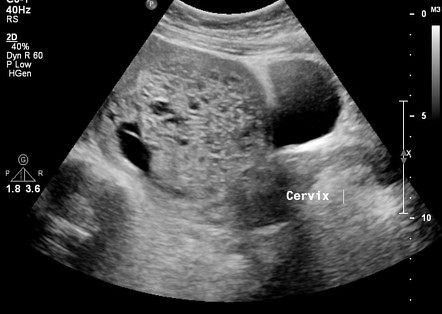
Snowstorm appearance in a complete hydatidiform mole

Gestational Trophoblastic Disease (GTD)

Overview Gestational trophoblastic disease is the presence of abnormal tissue derived from fetal cells. These are also known as molar pregnancies or hydatidiform moles. hCG mimics TSH, LH and FSH Classification of Gestational Trophoblastic Disease Classification Example Benign (75%) Complete…

Ectopic Pregnancy

Ectopic Pregnancy An ectopic pregnancy occurs when the embryo implants somewhere other than the endometrial cavity (95% in the fallopian tubes of which 70% occur in the tubal ampulla). A clinical triad of abdominal pain, vaginal bleeding and a pelvic…

Abortion (Miscarriage)

Abortion Miscarriage (abortion) is defined as termination of pregnancy before 24 weeks gestation OR when fetal weight is estimated to be < 500g. The most common cause of pregnancy loss in the first trimester is fetal genetic abnormalities (aneuploidies e.g.…

Early Pregnancy Bleeding

Overview Early pregnancy bleeding is per vaginal bleeding before viability (WHO < 20 weeks gestation date or < 500 g fetal weight) Approximately 25% of pregnancie s experience bleeding in the first trimester. Most women need to be reassured since…

Neonatal Respiratory Distress Syndrome (NRDS)

Neonatal respiratory distress syndrome (NRDS) is the most common cause of respiratory distress in preterm neonates. It is caused by insufficient surfactant production at < 34 weeks of gestation. Antenatal steroids reduce the risk of neonatal respiratory distress syndrome by…

Dehydration

Overview Dehydration is a potentially life-threatening condition in which the body has insufficient water for normal functioning. Volume depletion refers to the loss of both electrolytes and water. Percentage of body weight composed of water according to age group Age…

Cerebral Palsy

Cerebral palsy is a disorder of movement and posture due to a non-progressive brain injury or malformation, which results in permanent neurological damage. The most common cause is anoxic brain injury during the perinatal period or before 2 years of…

A moment of your time
Step 1 of 2

You are the reason this exists. Got 60 seconds? Help us improve Hyperexcision for every medical student who uses it.

The Hyperexcision Team