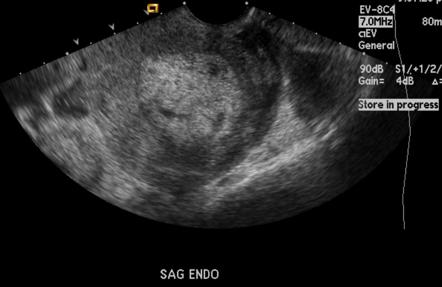
Obstructed Labour

Obstructed labour is when the presenting part fails to descend despite strong uterine contractions. It is an obstetric emergency. Diagnosis of obstructed labour Component required for diagnosis Features Prolonged labour More than 12 – 24 hours of labour with strong, frequent…

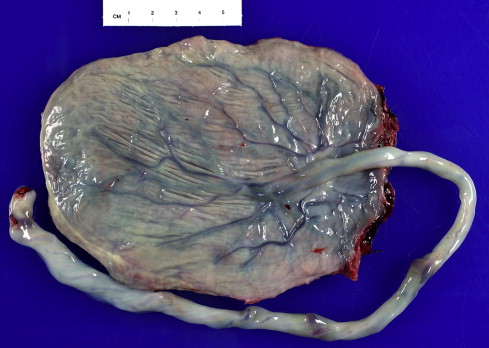
Pelvimetry

Overview Pelvimetry is the measurement of the bony dimensions of the birth canal to determine whether vaginal delivery is possible. A pelvis with an adequate size and shape is required for vaginal delivery. The best indicator of an adequate pelvis is good progress…

Thrombophilia in Pregnancy

Some pregnant mothers can be predisposed to thrombosis through genetic or acquired changes in their coagulation or fibrinolytic system. Many patients are usually asymptomatic to begin with, and manifest symptoms of thrombophilia for the first time during pregnancy. The most common…

Chorioamnionitis

Chorioamnionitis

Chorioamnionitis Chorioamnionitis is an ascending bacterial infection with resultant inflammation of any combinaito nof the amniotic fluid, placenta, fetus, fetal membranes or decidua. It is a common cause of maternal fever, and major complication of PPROM and prolonged ROM. The…

Endometritis

Endometritis Endometritis is an ascending polymicrobial infection of the uterine lining, which may progress to invade the underlying wall (endomyometritis). It is the most common cause of postpartum fever. It is more common after caesarean delivery, but can occur after…

Shoulder Dystocia

Shoulder dystocia Shoulder dystocia occurs when there is impaction of the anterior shoulder behind the maternal pubic symphisis. It is an obstetric emergency A diagnosis of shoulder dystocia can be made when the body fails to delivery within 1 minute…

Cord Prolapse

Cord Polapse Umbilical cord prolapse is protrusion of the umbilical cord ahead of or alongside the presenting part of the fetus. Cord prolapse is a serious obstetric emergency**,** especially when it is visible (overt prolapse). The most common cause is…