Acute Pericarditis

Acute pericarditis is inflammation of the pericardial sac for a period of less than 4 – 6 weeks. It is the most common pericardial disease. It peaks between 40 and 50 years of age. Causes of pericarditis Category Causes Infection…

Acute pericarditis is inflammation of the pericardial sac for a period of less than 4 – 6 weeks. It is the most common pericardial disease. It peaks between 40 and 50 years of age. Causes of pericarditis Category Causes Infection…
Aortic stenosis is the narrowing of the aortic orifice due to atherosclerosis, calcification, or fibrosis. It leads to left ventricular outflow tract obstruction, which can progress to left ventricular failure. It peaks at 70+ years, and affects men and women…
Hypercholesterolemia is a dyslipidaemia that is defined as the presence of high cholesterol in the blood. It is usually in the form of a high LDL. Other dyslipidaemias include hypertriglyceridemia (elevated triglycerides), combined dyslipidaemia (elevated LDL and triglycerides), and low…
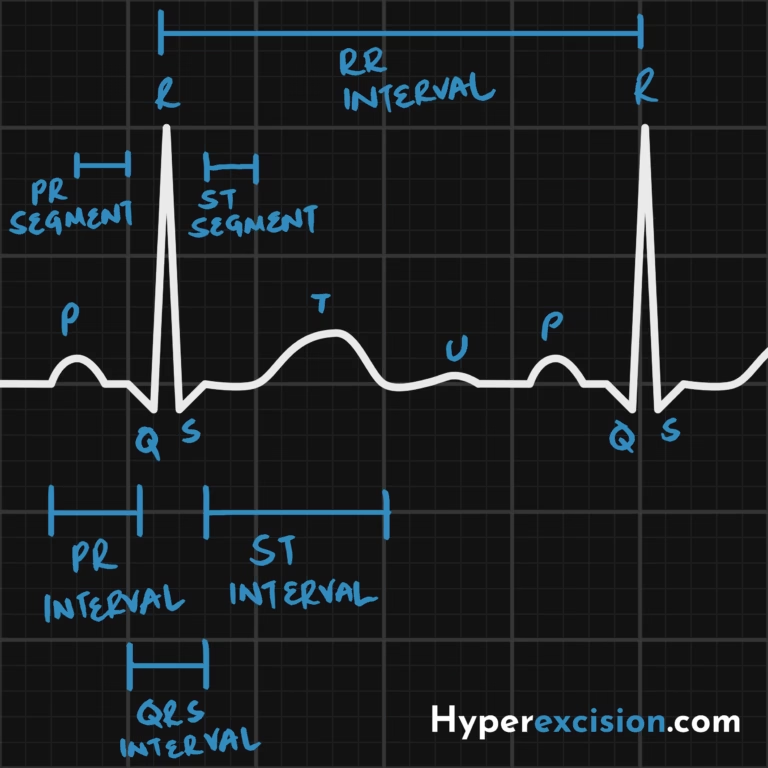
Overview An electrocardiogram (ECG/EKG) is a graphical representation of the electrical activity of the heart. It is one of the most common investigations carried out in cardiovascular medicine. Willem Einthoven developed and added onto previous work on electrical charges in…
Rheumatic Heart Disease (RHD) Rheumatic heart disease (RHD) is a chronic, systemic, immune-mediated condition that develops as a serious complication of rheumatic fever (RF), often following recurrent episodes of acute illness. It is the most significant consequence of acute rheumatic…
Acute heart failure is a life-threatening emergency that is characterised by the sudden onset or worsening of symptoms of heart failure. It typically presents with symptoms of volume overload. Definition of terms Term Definition Decompensated acute heart failure Acute heart…
Heart failure with reduced ejection fraction (HFrEF) is characterized by reduced stroke volume and a reduced ejection fraction (LVEF ≤ 35-40%). The heart can relax, but it cannot contract because the muscles have lost their “strength”. The treatment goals in…
Heart failure with preserved ejection fraction is characterised by reduced stroke volume, normal or reduced end-diastolic volume, and preserved ejection fraction (left ventricular ejection fraction 50 – 70%). The heart has lost its ability to fill properly.
Secondary hypertension is hypertension with an identifiable cause. It is usually refractory to medical treatment. It is more frequent in young patients (< 30 years old) and older patients (> 65 years old) who first present with hypertension. Summary of…
Hypertensive emergency, also known as symptomatic essential hypertension, is defined as hypertension with organ-specific symptoms. The blood pressure is usually >180/110 mmHg. It is characterised by hypertension (x1) with neurological, cardiac, or renal symptoms. Definition of terms Term Definition Malignant…