Overview Cervical screening is one of the cornerstones of a gynaecological visit. Cervical intraepithelial neoplasia (CIN) is commonly diagnosed between 20 and 30 years. Carcinoma in Situ is commonly diagnosed between 35 and 45 years. It takes approximately 10 years…
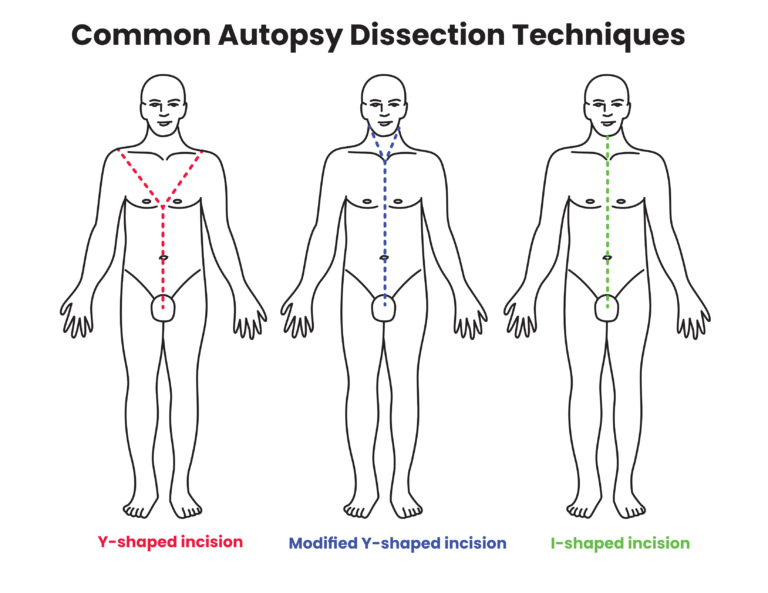
Overview An autopsy is the scientific examination of a dead person through dissection of the body for medical, legal, and/or scientific purposes. It is derived from the Greek word ‘autopsia’ meaning to see for oneself. The root Auto stands for…
Anatomy The thyroid is a bi-lobed shield-shaped organ located anteriorly in the neck that is responsible for the production of thyroid hormones and calcitonin. It has a right and left lobe connected by the isthmus. Each lobe has a superior…
Small Bowel Obstruciton Small bowel obstruction (SBO) is obstruction of the gastrointestinal tract at the level of the small intestine. It is a common surgical condition. It is mostly caused by mechanical obstruction of the bowel (intraluminal or extraluminal). Aetiology…
Overview CNS infections carry a high mortality if untreated or improperly treated. It is important to recognize and treat differently neonates, young people, adults, old people, and immunocompromised since different organisms affect these different populations. Infections of the CNS include:…
Condition Description Erysipelas Superficial infection of the upper layers of the dermis. Raised sharply demarcated edges, rapid spread and onset, and fever early in course. Caused by Streptococcus pyogenes. Cellulitis Infection that involves the deeper dermis and subcutaneous tissue. Non-purulent…
Overview Neck trauma includes both blunt and penetrating trauma. The airway is a major concern in neck trauma. Patients who present with hypoxia, stridor, neck distortions, or hematoma should be intubated immediately. Blunt trauma is primarily managed based on symptoms…
Overview Patients do not die from an inability to intubate the trachea…they die from lack of oxygen ASA defines a difficult airway as a clinical situation in which a conventionally trained anaesthesiologist experiences difficulty with facemask ventilation of the upper…
Overview Acute coronary syndrome (ACS) is a spectrum of clinical presentation ranging from ST-segment elevation myocardial infarction (STEMI), non-ST-segment elevation myocardial infarction (NSTEMI), and unstable angina. It is caused by rupture of an atherosclerotic plaque and partial or complete occlusion…
Overview Angina refers to chest pain on exertion. The chest pain is always sub-sternal, and is described as crushing/heavy, lasts minutes to hours, and may radiate to the upper arm or shoulder. 99% of cases are due to coronary artery…
⚡ FLASH SALE
50% OFF
Get 50% off any membership level for a limited time.