Acute Coronary Syndromes (ACS)

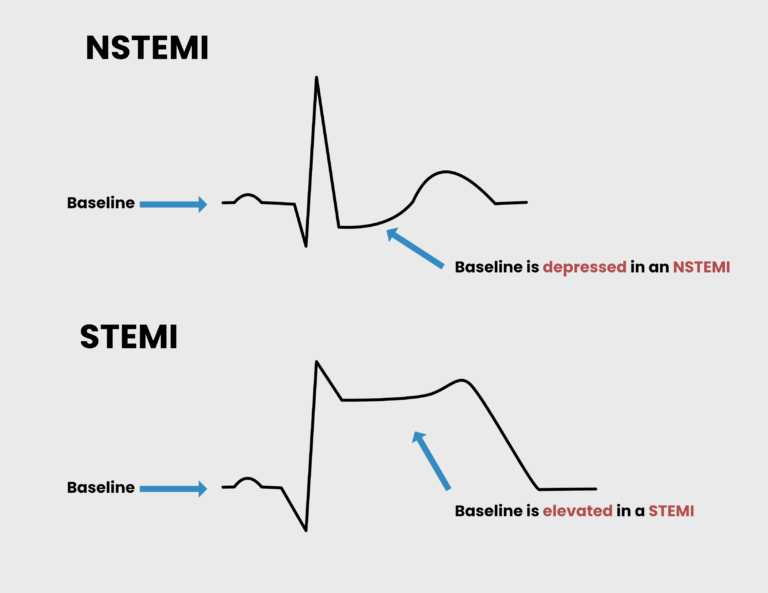
Overview Acute coronary syndrome (ACS) is a spectrum of clinical presentation ranging from ST-segment elevation myocardial infarction (STEMI), non-ST-segment elevation myocardial infarction (NSTEMI), and unstable angina. It is caused by rupture of an atherosclerotic plaque and partial or complete occlusion…

Angina

Overview Angina refers to chest pain on exertion. The chest pain is always sub-sternal, and is described as crushing/heavy, lasts minutes to hours, and may radiate to the upper arm or shoulder. 99% of cases are due to coronary artery…

Thoracic Trauma

Overview Emphasis in thoracic trauma is on proper airway and breathing (since injury can be to the airway structures themselves). Patients with thoracic trauma should be put on 100% O2 via NRB mask (not nasal cannulas) since hypoxia is an…

HIV/AIDS

Overview HIV/AIDs is caused by the retrovirus Human Immunodeficiency Virus (HIV-1 and HIV-2). Most patients with acute HIV infection are asymptomatic but some may present with a flu-like illness in the weeks following exposure. Transmission HIV is spread parentally via…

Child Health and Paediatrics Icon

Cognitive Development

Summary of important cognitive milestones Age Milestones 1 month old Reacts to voice, establishes eye contact 2 months old Tracks object 180 degrees 4 months old Recognizes hand 6 months old Grasps, visualizes, and manipulates objects 9 months old Object…

Seizures

A seizure is defined as a sudden change in consciousness, behaviour or movement of the body, due to electrical hypersynchronization of neuronal networks in the cerebral cortex. This sudden change tends to be transient, and is characterized mainly by motor symptoms (eg. shaking)…

Hyperthyroidism

Hyperthyroidism is caused by an elevation of thyroid hormone (T3 and T4). Classification Classification Description Examples Primary hyperthyroidism Elevated thyroid hormone due to increased autonomous production by the thyroid gland. Has a low TSH, high T3, and T4 Grave’s disease,…