Dr Jeffrey Kalei

Dr Jeffrey Kalei

Author and illustrator for Hyperexcision. Interested in emergency room medicine. I have a passion for medical education and drawing.

Psychostimulants

Psychostimulants Psychostimulants increase the availability of DA and NE in the synaptic cleft (by increasing release and blocking reuptake). Stimulants should not be used to treat mood disorders, even as adjuncts. It is better to use activating antidepressants (such as…

Anxiolytics

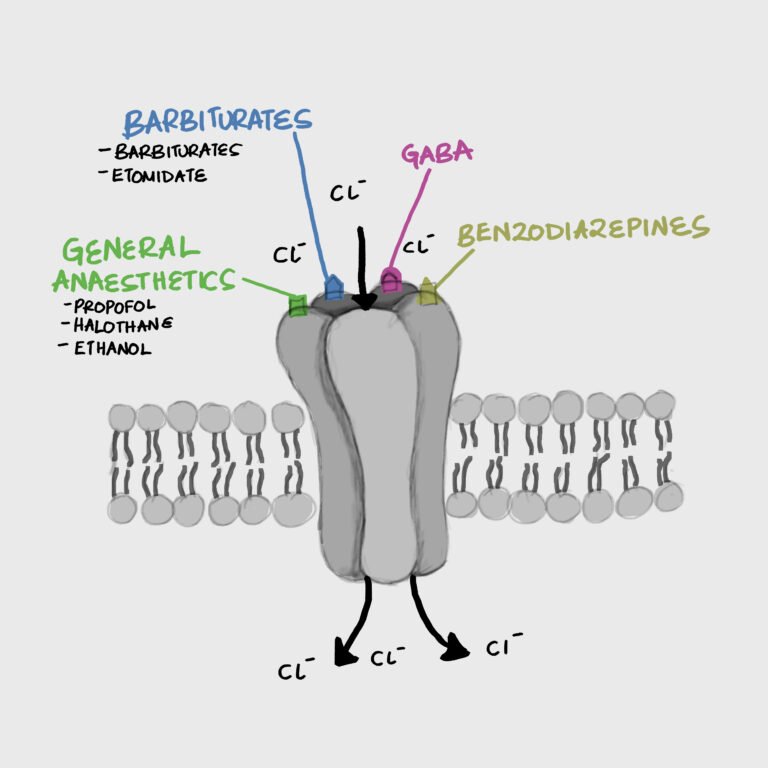
Overview Anxiolytics Nota bene Benzodiazepines Widely used for panic disorders, anxiety disorders, Insomnia and Status epilepticus Barbiturates Rarely used. First-line for infantile seizures, and second-line for status epilepticus. Were originally used for insomnia and panic disorders but fell out of…

Mood Stabilizers

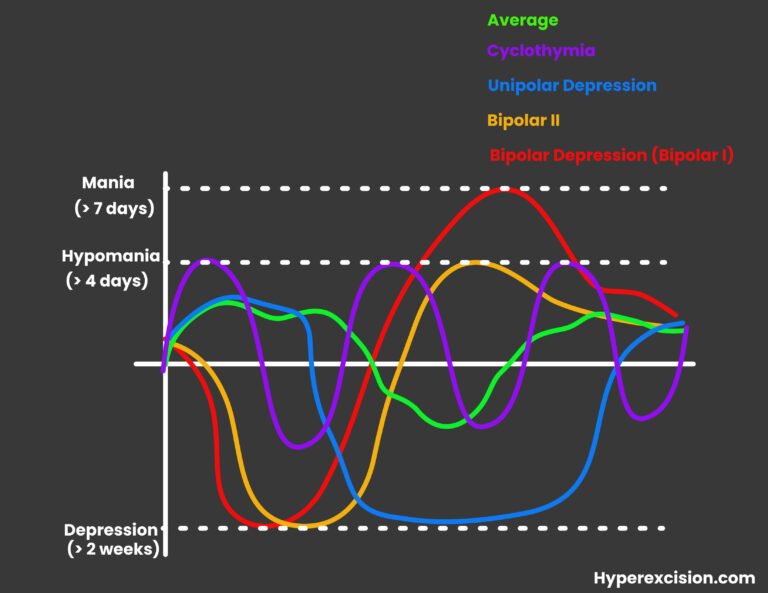
Overview Mood stabilizers are drugs that are used to stabilise manic, mixed, and depressive episodes. They do not induce alternate mood symptoms AND prevent future relapse into manic, mixed, or depressive episodes. Selected mood stabilizers Mood stabilizer Nota bene Lithium…

Antidepressants

Overview In general, anti-depressants increase the availability of 5-HT and other monoamines AND normalize receptor density (they do not upregulate post and pre-synaptic receptors). The most commonly used antidepressants are SSRIs as they are relatively well tolerated. TCAs have fallen…

Antipsychotics

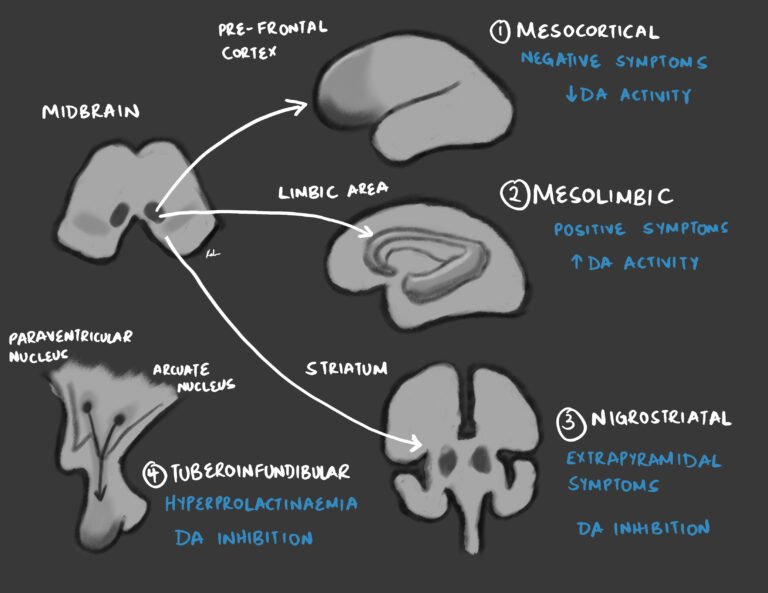
Overview Generally, antipsychotics are dopamine antagonists (D2 receptors). Remember the primary theory behind psychotic disorders is dopamine overproduction Antagonizing dopamine is a useful way to block psychotic symptoms. Dopaminergic pathway Function Nigrostriatal Motor Control (Responsible for extrapyramidal side effects) Mesolimbic…

Congenital Infections (TORCH Infections)

Specific symptoms Diagnosis Definitive treatment Congenital toxoplasmosis Diffuse calcifications on MRI, hydrocephalus Toxoplasma titers (IgM) Pyrimethamine and Sulfadiazine + Leucovorin Congenital syphilis Palm/sole rash, periostitis VDRL-RPR; FTA-ABS, CSF analysis Penicillin G Congenital rubella Cataract, deafness, heart defects (PDA), blueberry muffin…

Neonatal Hypotonia

Neonatal hypotonia is a state of poor muscle tone at rest that is characterised by a “rag doll” feel, poor sucking, a weak cry, and increased joint mobility. It may or may not involve muscle weakness. Causes of neonatal hypotonia…