
A 36-year-old with heavy menstrual bleeding and inability to conceive


Adnexal Torsion An adnexal torsion occurs when the ovary, fallopian tube (or both), or a paraovarian mass twists around itself. This results in vascular congestion, tissue edema and necrosis of the structures invovled. Torsion is an GYNAECOLOGIC EMERGENCY. It is…
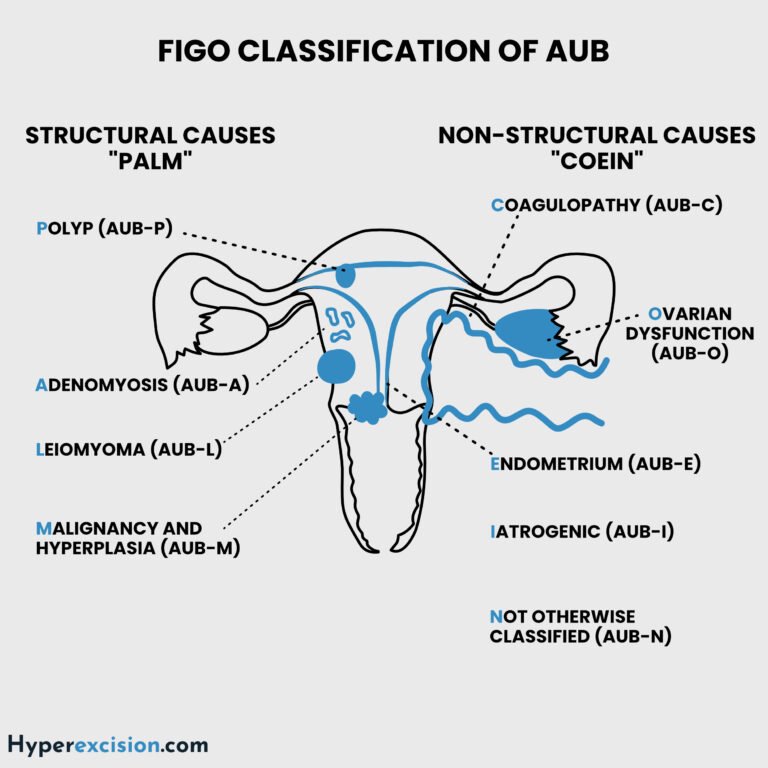
Abnormal Uterine Bleeding (AUB) Abnormal uterine bleeding is defined as menstrual blood loss (MBL) that interferes with physical, social, and mental quality of life, irrespective of the regularity frequency, or duration (NICE) Heavy menstrual bleeding is the most common cause…
Overview Menopause is defined as the permanent cessation of menses for at least 12 months, following the loss of ovarian activity. Symptoms of menopause are due to low oestrogen levels, and these are mainly psychological symptoms, vasomotor symptoms and urogenital…
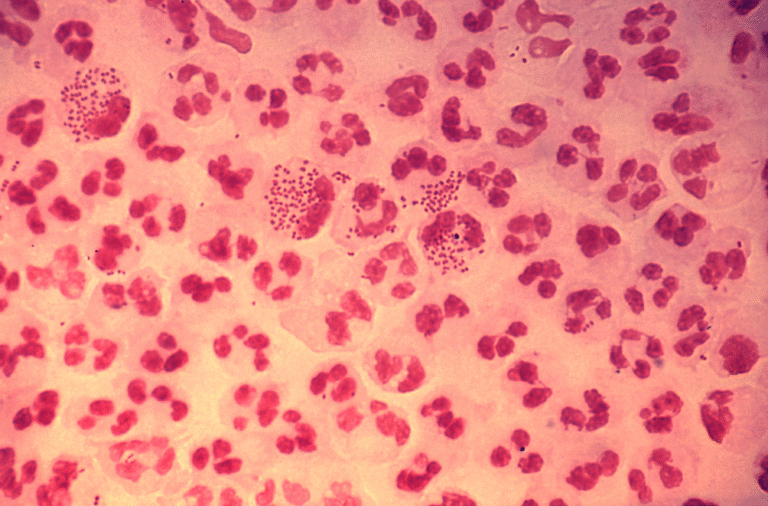
Overview Gonorrhoeal and chlamydial infection cannot be differentiated on physical examination Gonorrhoea vs Chlamydia Gonorrhoea Chlamydia Symptoms Asymptomatic, itching or burning Asymptomatic, itching or burning Physical exam Mucupurulent discharge, cervicitis, motion tenderness Mucupurulent discharge, cervicitis, motion tenderness Investigations NAAT NAAT…

Instrumental Delivery Instrumental delivery, AKA operative vaginal delivery, refers to the use of suction cups or forceps to assist vaginal delivery in the second stage of labour. The procedure is carried out by an experienced obstetrician with facilities for caesarean…
Malaria in Pregnancy Malaria in pregnancy is a significant public health concer, particularly in Sub-saharan Africa and Southeast Asia. It is caused by Plasmodium falciparum (mainly in Africa) and Plasmodium vivax (mainly in Asia). Pregnant women are more succeptible to…
Obstructed Labor Obstructed labour refers to failure of descent of the presenting part despite strong uterine contractions, often due to mechanical obstruction. It is a life-threatening obstetric emergency that can lead to uterine rupture, fetal death and maternal complications suchs…

Overview For a woman to delivery vaginally they need to have a pelvis that is adequate in size and shape. The best indicator of an adequate pelvis is good progress during labour. Even so, the pelvis can be assessed for…
You are the reason this exists. Got 60 seconds? Help us improve Hyperexcision for every medical student who uses it.
The Hyperexcision Team