Mood Disorders
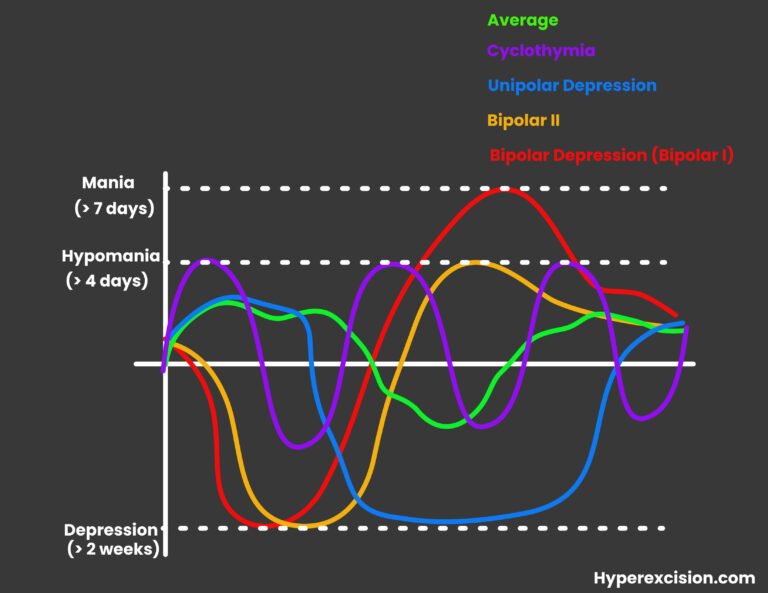
Overview Variations in mood are normal. Mood can fluctuate from day to day and very few people will be the same on a day-to-day basis. Mood disorders (as defined by the pattern of mood episodes) happen when the patient’s mood…
Overview Variations in mood are normal. Mood can fluctuate from day to day and very few people will be the same on a day-to-day basis. Mood disorders (as defined by the pattern of mood episodes) happen when the patient’s mood…

Electroconvulsive Therapy (ECT) ECT is the artificial induction of grand mal (tonic-clonic) seizures through the application of electrical currents through the brain. It is the most effective treatment for major depressive disorder (80% success rate, especially with psychotic featuers), as…
Psychostimulants Psychostimulants increase the availability of DA and NE in the synaptic cleft (by increasing release and blocking reuptake). Stimulants should not be used to treat mood disorders, even as adjuncts. It is better to use activating antidepressants (such as…
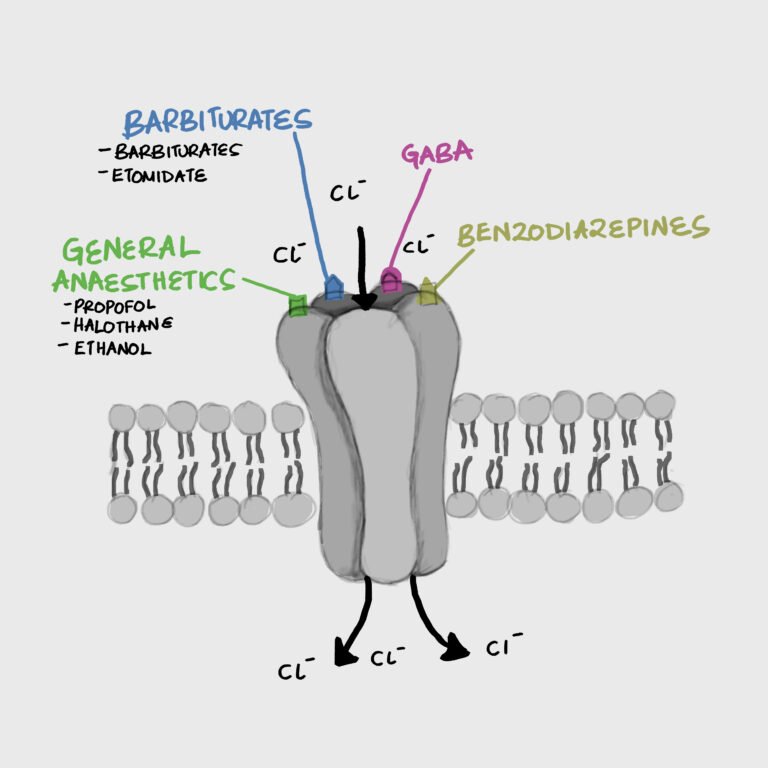
Overview Anxiolytics Nota bene Benzodiazepines Widely used for panic disorders, anxiety disorders, Insomnia and Status epilepticus Barbiturates Rarely used. First-line for infantile seizures, and second-line for status epilepticus. Were originally used for insomnia and panic disorders but fell out of…
Overview Mood stabilizers are drugs that are used to stabilise manic, mixed, and depressive episodes. They do not induce alternate mood symptoms AND prevent future relapse into manic, mixed, or depressive episodes. Selected mood stabilizers Mood stabilizer Nota bene Lithium…
Overview In general, anti-depressants increase the availability of 5-HT and other monoamines AND normalize receptor density (they do not upregulate post and pre-synaptic receptors). The most commonly used antidepressants are SSRIs as they are relatively well tolerated. TCAs have fallen…
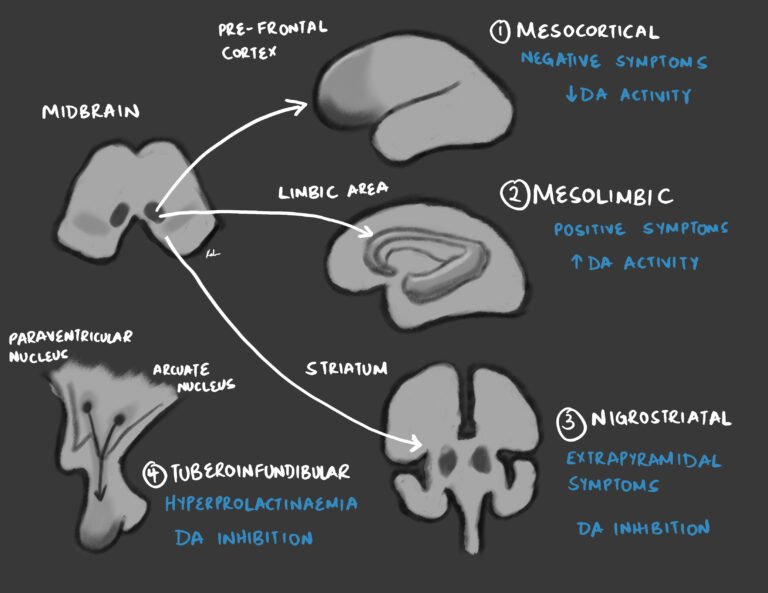
Overview Generally, antipsychotics are dopamine antagonists (D2 receptors). Remember the primary theory behind psychotic disorders is dopamine overproduction Antagonizing dopamine is a useful way to block psychotic symptoms. Dopaminergic pathway Function Nigrostriatal Motor Control (Responsible for extrapyramidal side effects) Mesolimbic…
Disturbances of thought Disturbances of thought process Thought process describes how the patient uses language and puts ideas together. Can be linear or non-linear. Disorder of though process Definition Circumstantiality Indirect speech that delays reaching the point BUT eventually does.…
Overview A psychiatric assessment is a medical process involving the systematic gathering of information in order to arrive at an appropriate diagnosis. It has to be thorough and usually takes about 45 minutes to 1 hour. It can take longer…

Specific symptoms Diagnosis Definitive treatment Congenital toxoplasmosis Diffuse calcifications on MRI, hydrocephalus Toxoplasma titers (IgM) Pyrimethamine and Sulfadiazine + Leucovorin Congenital syphilis Palm/sole rash, periostitis VDRL-RPR; FTA-ABS, CSF analysis Penicillin G Congenital rubella Cataract, deafness, heart defects (PDA), blueberry muffin…