Your first week of Hyperexcision Scholar (Q-bank) is on us. Just use code TRIAL250 at checkout when you purchase the 1-week access and you are sorted. DismissSkip to content
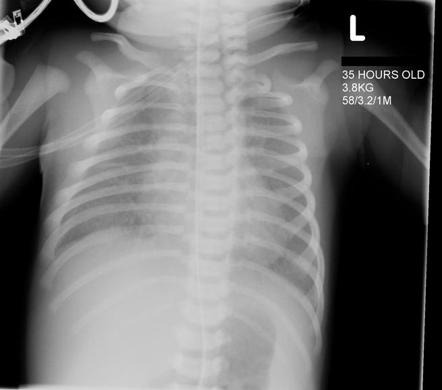
Transient Tachypnea of the Newborn (TTN) Mild, temporary respiratory distress d/t retained fluid in the foetal lungs – which is a function of how the baby was delivered. It is a self-limited condition resolves within 72 hours. MCC of neonatal…
Neonatal respiratory distress syndrome (NRDS) is the most common cause of respiratory distress in preterm neonates. It is caused by insufficient surfactant production at < 34 weeks of gestation. Antenatal steroids reduce the risk of neonatal respiratory distress syndrome by…
Overview Dehydration is a potentially life-threatening condition in which the body has insufficient water for normal functioning. Volume depletion refers to the loss of both electrolytes and water. Percentage of body weight composed of water according to age group Age…
Cerebral palsy is a disorder of movement and posture due to a non-progressive brain injury or malformation, which results in permanent neurological damage. The most common cause is anoxic brain injury during the perinatal period or before 2 years of…
Refeeding syndrome is a group of clinical findings that is caused by fluid and electrolyte changes during nutritional rehabilitation of severely ill and malnourished patients. One common complication is severe hypophosphatemia. The most common cause of death in refeeding syndrome…
ADHD is characterized by persistent inattention, hyperactivity, and/or impulsivity that is inconsistent with the patient’s developmental age and results in difficulty functioning in at least two settings (at home, school, or work). At least 6 inattentive and/or hyperactive/impulsive symptoms are…
DSM-5 Criteria for Autism Spectrum Disorder Persistent deficits in social communication and social interactions across multiple contexts Restricted, repetitive patterns of behaviour, interests – at least 2 of these: Pervasive Developmental Disorders Autism Spectrum Disorder Autism is derived from the…
What cannot be communicated to the mother, cannot be communicated to the self – John Bowlby Changes DSM-IV to DSM-V Overview Mental health in childhood and adolescence is defined as the achievement of expected developmental, cognitive, social, and emotional milestones,…
Catha edulis, also known as “khat” or “miraa”, is an amphetamine/like a drug with psychoactive + sympathomimetic effects. The main chemical components are cathinone, tannins, and norephedrine. It can be chewed or consumed as a juice, and is commonly taken…
Cocaine Cocaine blocks the uptake of serotonin, norepinephrine, and dopamine in the synaptic cleft (in the reward pathway), causing a stimulant effect. Amphetamines Amphetamines block the reuptake and facilitate the release of dopamine and norepinephrine from nerve endings, causing a…