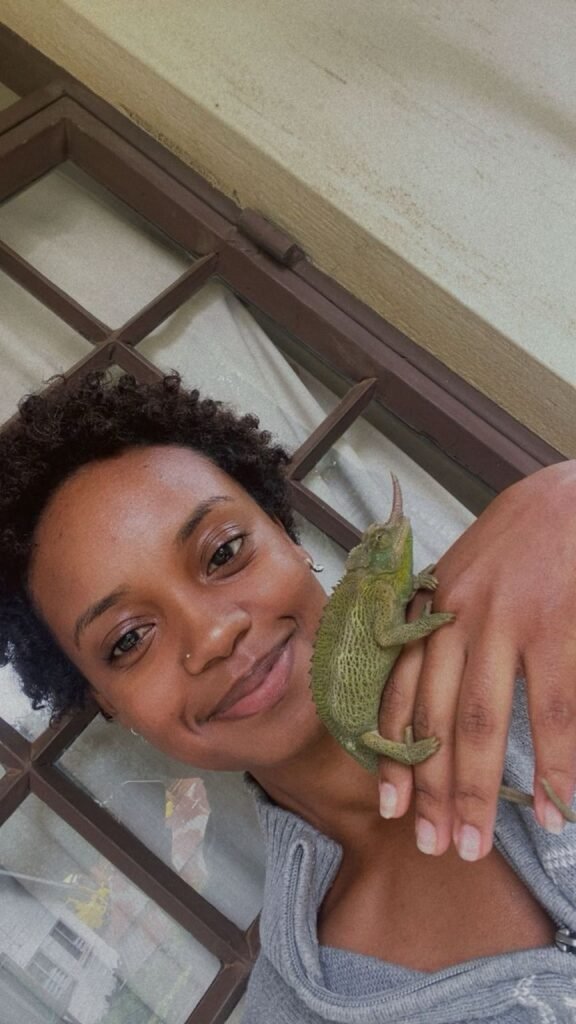
Since I was a little girl, I have always been on the lookout for magic. When I was 5, I remember thinking I saw magic behind my eyelids; bright flashes of colour and mesmerising patterns when I closed my eyes after looking up at the setting sun. At age 6 making ‘potions’, mixing magical flowers and leaves I found as I explored. Healing, powerful, ability-lending concoctions, I believed. (I never drank them, don’t worry). When I was 7, believing I could subtly control water when the shower stream ran down each finger. I had secret powers as far as I was concerned. Even at 8, talking to chameleons I’d let walk all over me and actually believing they knew me in a special way, and believed I was their friend.
As I have grown, my awareness of magic has expanded. Sunrise creeping over the horizon, a tiny spider spinning an intricate web in a corner of your room, light dancing on the droplets of water on grass after rain, moss-covered rocks, children smiling, your mother’s embrace, bird song. Magic.
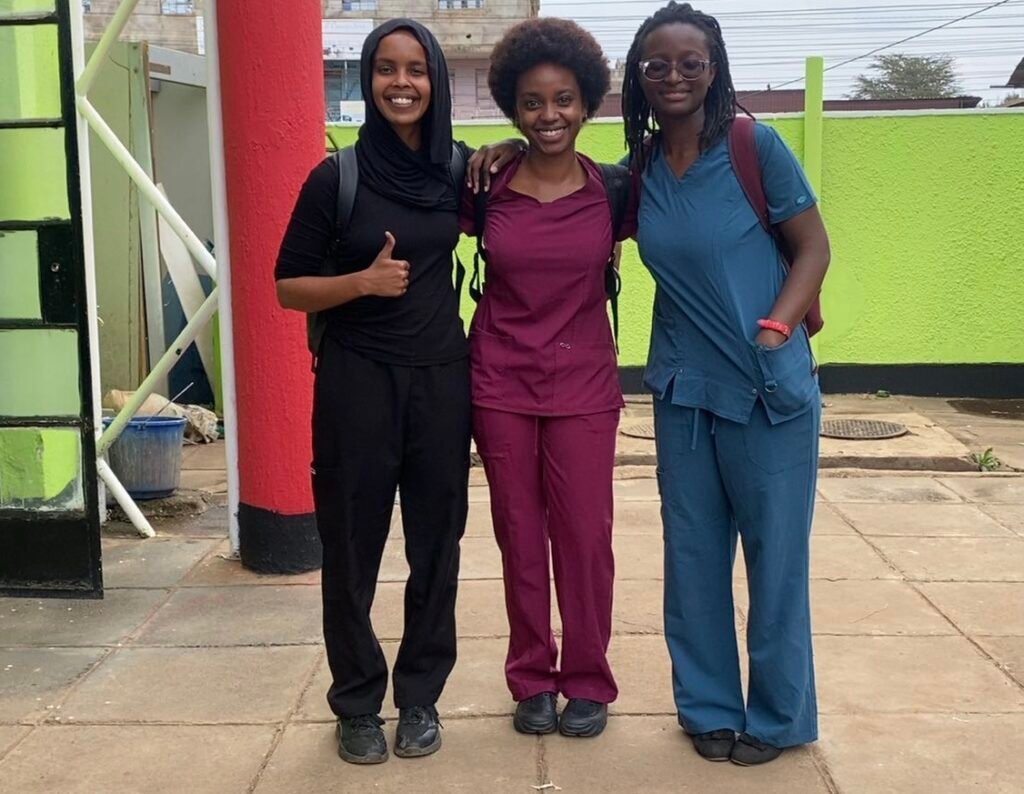
New experiences, and the new versions of me that they reveal, continue to prove just how steeped in marvel our world is. My deep honour has been the addition to my catalogue, of a previously unknown type of magic. A slow drip rehydrating a patient, dark blood drawn from a vein revealing hidden answers, successful resuscitations, perfectly apposed edges of a surgical incision, a discharge summary for a patient who came in at death’s door, antibiotics, a birth. Magic.
How blessed we are to be the wielders. I always dreamed of getting my Hogwarts letter not knowing that it was written that one day, I would be face-to-face with miracles.
As I find the strength to continue on this journey, I am grateful to have such a potent source of inspiration and wonder always available to me. Real-life magic. Not every day is good, but there is something good in every day.
PS: Please ignore all DSM-5 criteria met for schizotypal personality disorder; that’s not the one I have. Joking. Or…
Magic in everyday experiences. Beauty. God revealing himself to us.
Precisely
This was a very interesting and fun read! Not schizotypal😭.
Thank you! Have to keep the differential going 😂
Manage Consent
To provide the best experiences, we use technologies like cookies to store and/or access device information. Consenting to these technologies will allow us to process data such as browsing behavior or unique IDs on this site. Not consenting or withdrawing consent, may adversely affect certain features and functions.
Functional
Always active
The technical storage or access is strictly necessary for the legitimate purpose of enabling the use of a specific service explicitly requested by the subscriber or user, or for the sole purpose of carrying out the transmission of a communication over an electronic communications network.
Preferences
The technical storage or access is necessary for the legitimate purpose of storing preferences that are not requested by the subscriber or user.
Statistics
The technical storage or access that is used exclusively for statistical purposes.The technical storage or access that is used exclusively for anonymous statistical purposes. Without a subpoena, voluntary compliance on the part of your Internet Service Provider, or additional records from a third party, information stored or retrieved for this purpose alone cannot usually be used to identify you.
Marketing
The technical storage or access is required to create user profiles to send advertising, or to track the user on a website or across several websites for similar marketing purposes.

Oooh the magic of this world.
Truly!
Beautiful.❤️
Thank you Patient 🙂 hope you get better soon
Magic in everyday experiences. Beauty. God revealing himself to us.
Precisely
This was a very interesting and fun read! Not schizotypal😭.
Thank you! Have to keep the differential going 😂